Initial capital is secured to support lead optimisation, early proof-of-concept work, patent filings, freedom-to-operate analysis, and core team build-out. This is the point where the programme moves from concept into structured execution.
Science at the Intersection of Precision, Purpose, and Possibility
Founded by clinicians and scientists from Imperial College London and the City of Hope, we combine translational insight with biotech execution to convert molecular discoveries into therapies designed for real-world patients, including those whose liver function limits access to established treatments.
Apterna is a preclinical biotechnology company developing liver-directed RNA therapeutics designed to restore liver function in patients whose disease currently limits access to curative care. Starting with liver cancer patients denied surgery because their liver reserve is too poor, the programme is being built to expand across broader liver disease as evidence grows. Built on a validated delivery foundation and a disciplined build-to-partner strategy, Apterna is advancing a new category of liver medicine focused on restoring function, reopening curative pathways, and creating long-term strategic value.
Built for Translation, Validation, and Strategic Scale
Apterna is being built on a proven therapeutic foundation rather than an untested delivery concept. By applying a validated RNA modality to a high-value liver opportunity, the company can focus on what matters most: biological proof, clinical relevance, and efficient execution.
Our development model is intentionally stage-gated, with clear go/no-go decision points designed to answer the most important scientific and translational questions early. This creates a more disciplined path to progress, helps protect capital, and supports efficient advancement towards clinical proof-of-concept.
From the outset, Apterna has been structured as a build-to-partner company. The aim is to advance through the key value-creating stages internally, then expand through the right strategic partnerships for broader development, scale, and long-term impact.
Built at the Intersection of Clinical Insight and Biotech Execution
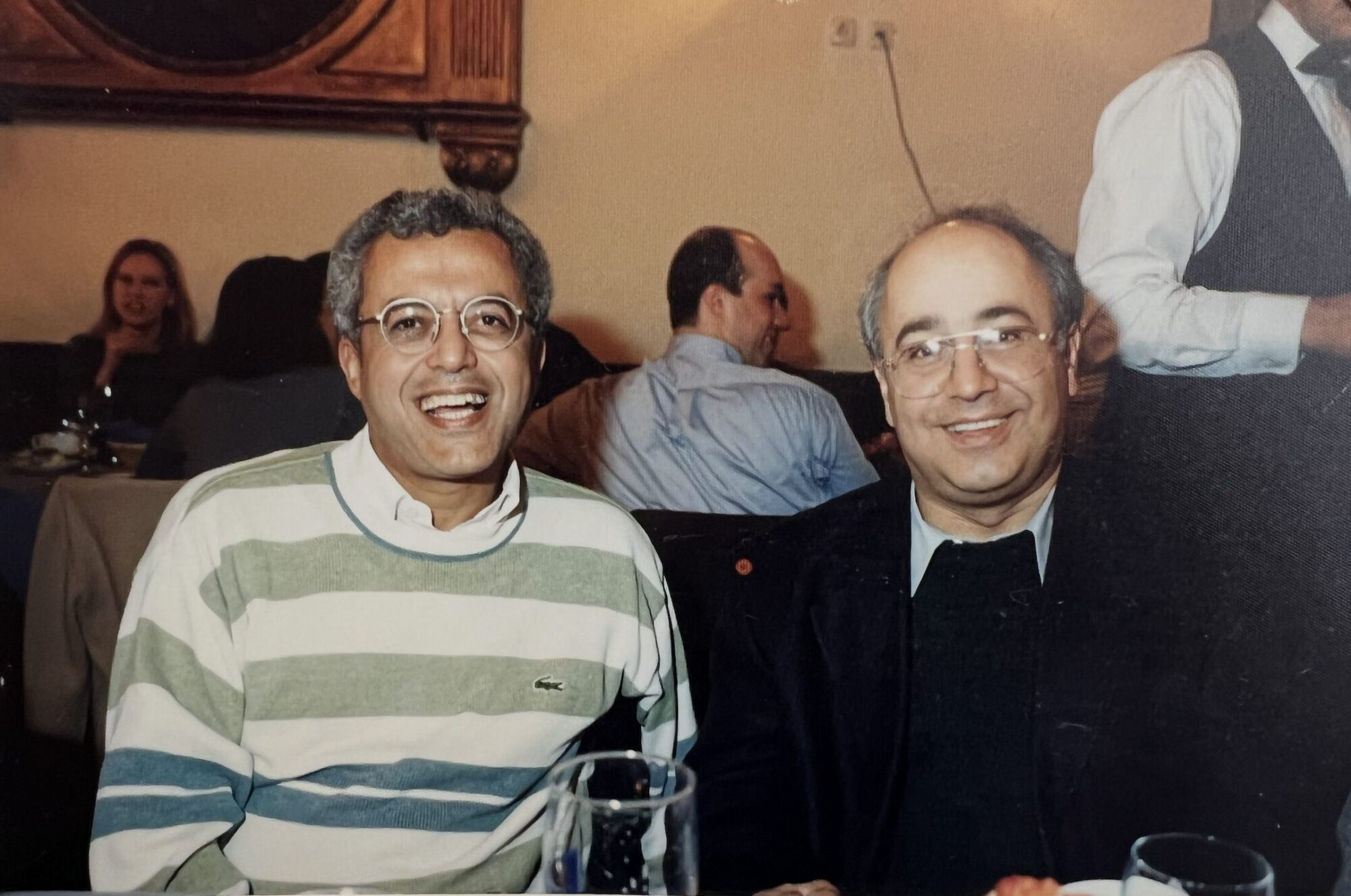
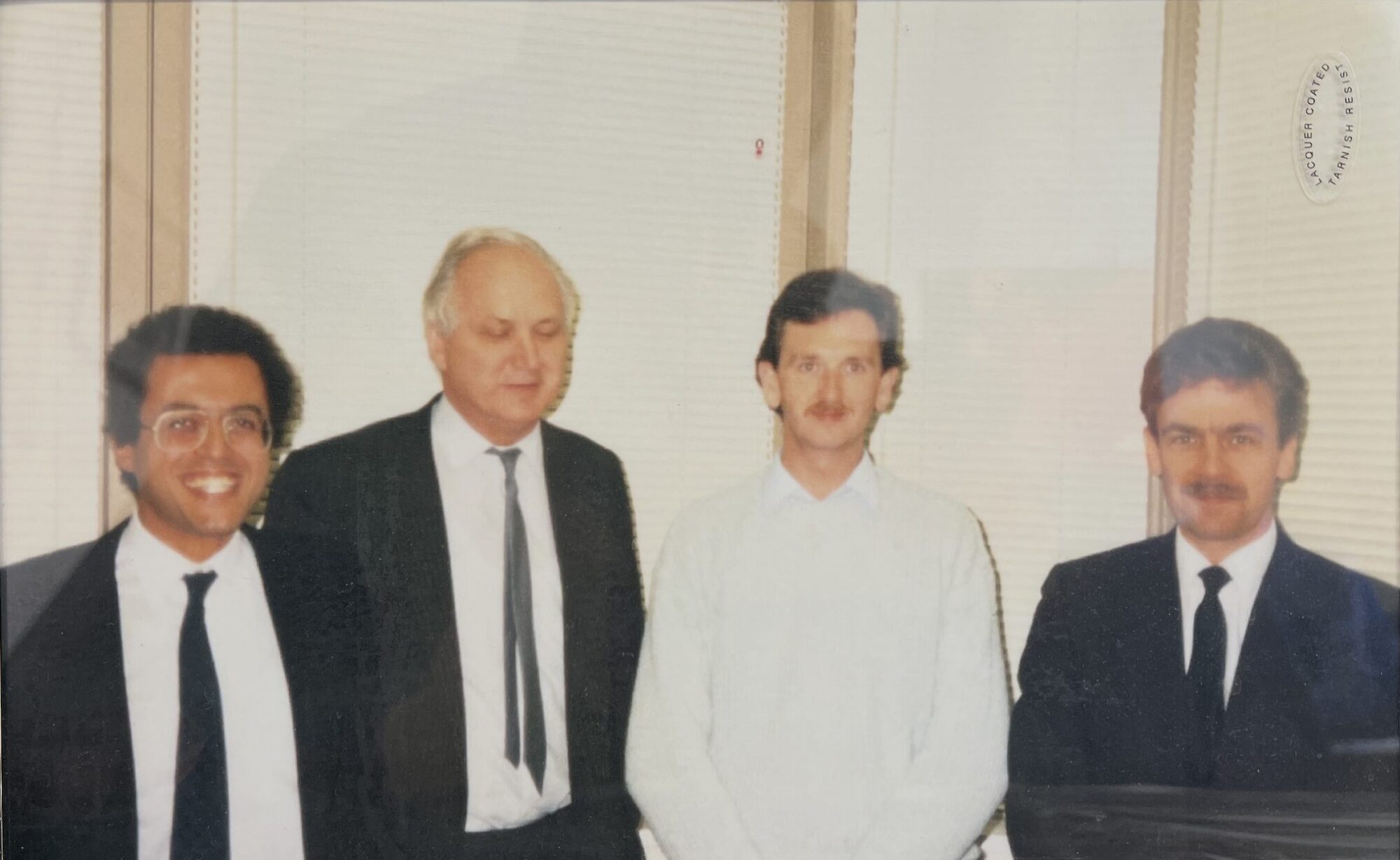
Apterna was founded in the United Kingdom by Professor Nagy Habib, Dr Declan Doogan, and Joanna Nichols, bringing decades of experience translating RNA and advanced therapeutics from concept to clinic.
Apterna brings together leadership across hepatobiliary surgery, RNA therapeutics, clinical development, and translational medicine. The company was built to connect real clinical need with disciplined therapeutic development, focusing on programmes that can move from compelling biology to meaningful patient impact.
Our approach reflects both scientific ambition and practical execution. Rather than pursuing science for its own sake, Apterna is structured to advance focused programmes through the most important value-creating stages, using clear decision points, efficient development planning, and a strategy designed for future partnering from strength.
This combination of clinical grounding, translational discipline, and strategic intent is what defines Apterna. It is how we aim to turn high-conviction science into therapies with real-world relevance, scalable development potential, and long-term strategic value.
Founder profile
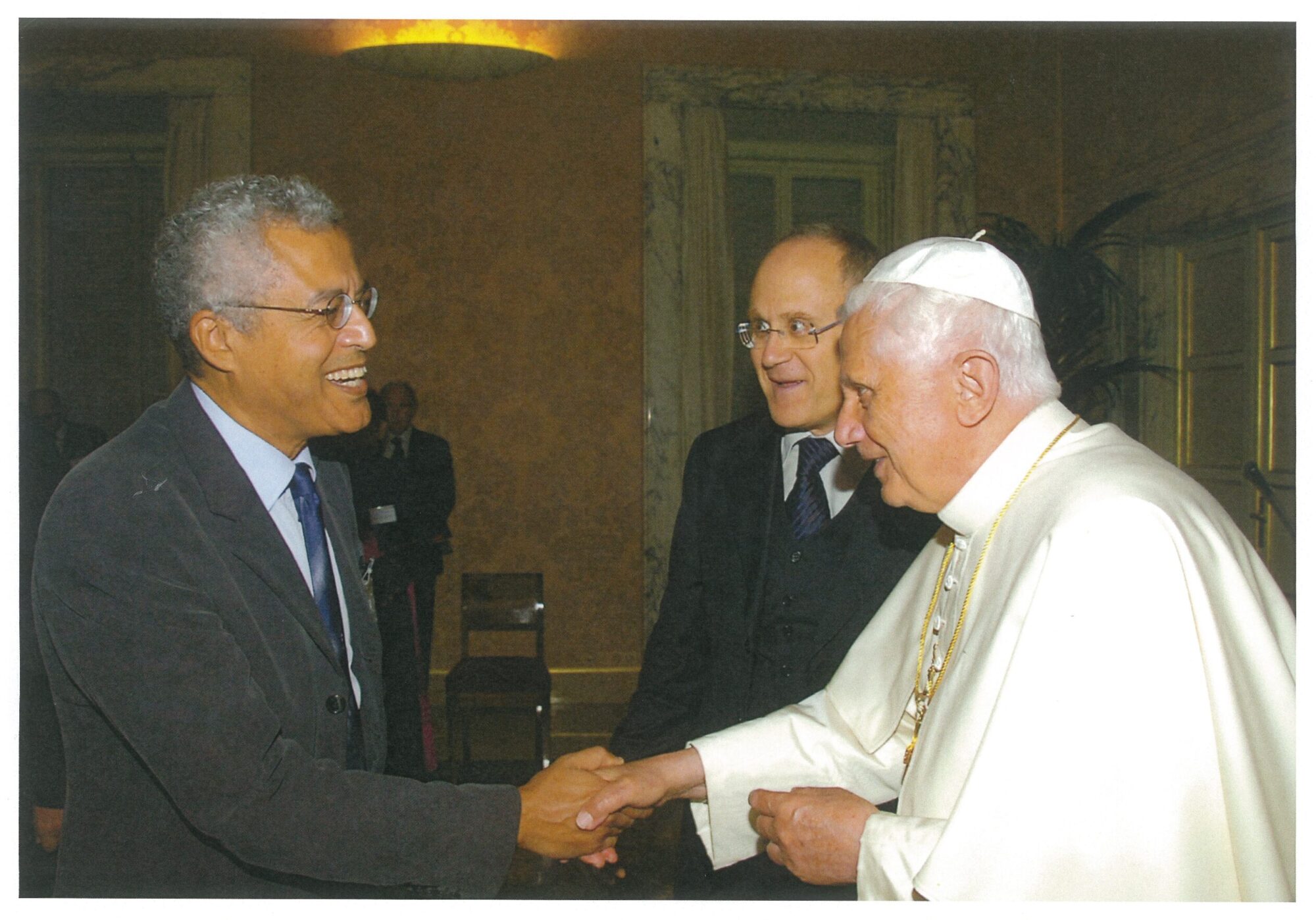
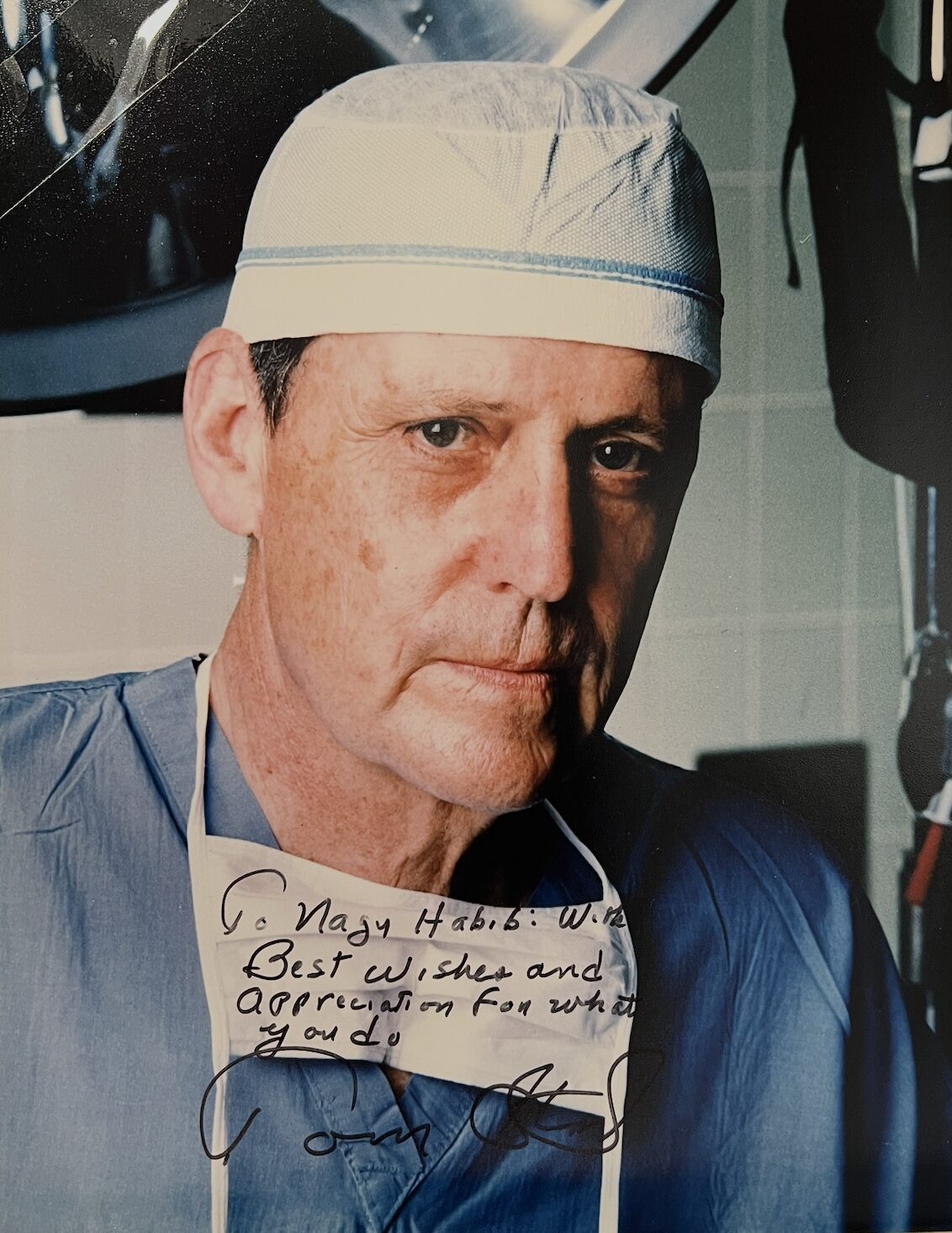
Nagy Habib, MD, ChM, FRCS
Co-Founder, Chair & CEO
Professor of Liver and Biliary Surgery at Imperial College London
Specialist in the treatment of liver and pancreatic cancer
Serial entrepreneur, co-founded several biotech companies including Founder/CEO of EMcision, acquired by Boston Scientific in 2018
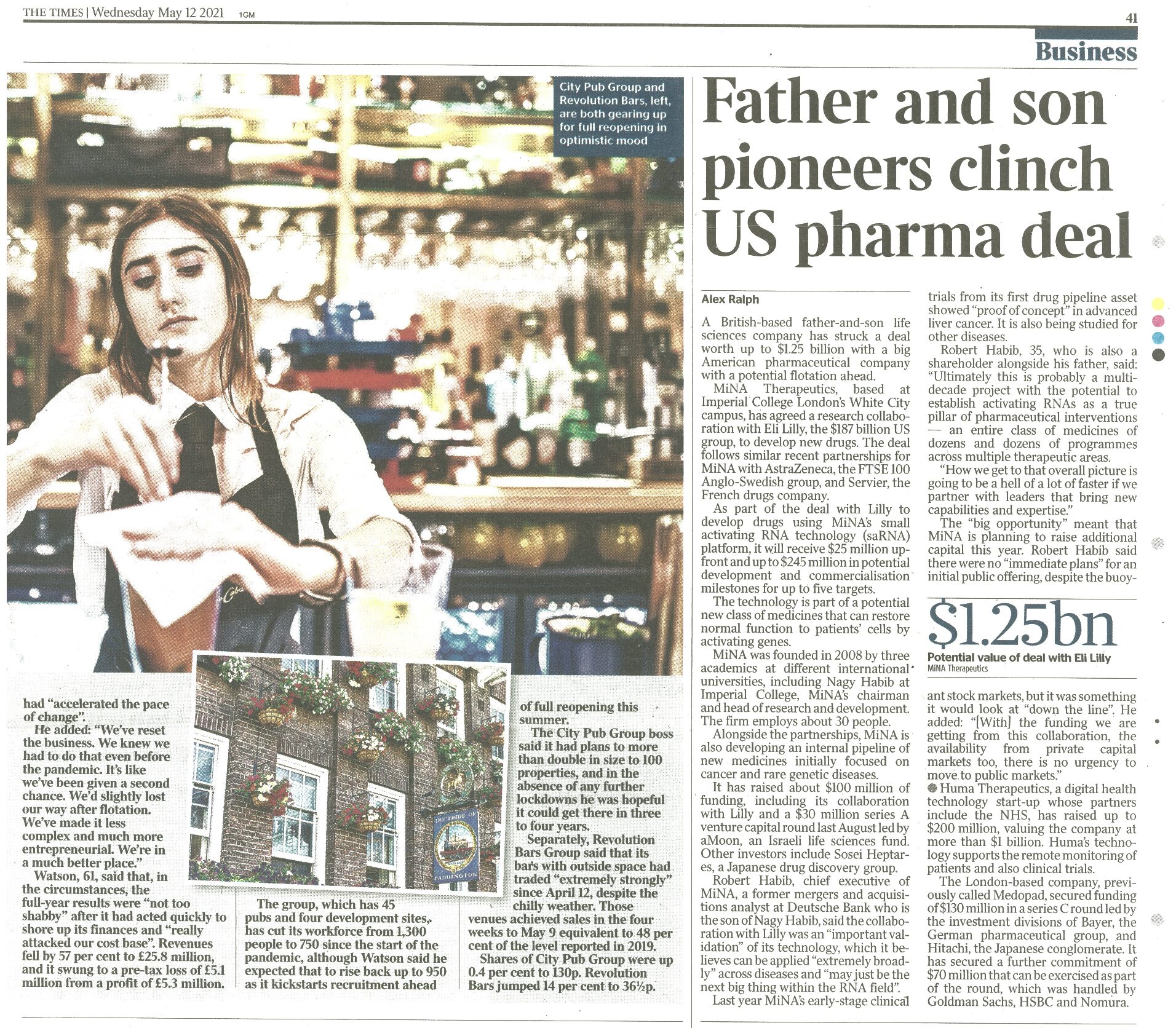
Co-founder of MiNA Therapeutics (RNA therapeutics), which has raised >$100m in funding through license deals and partnerships with multiple large companies including Eli Lilly, Boehringer Ingelheim, Servier, and Biomarin
Inventor of the Habib EndoHPB (Emcision/Boston Scientific 2018) and of the Habib 4X liver resection device (AngioDynamics Inc 2015)
Former member of the Imperial College Management Board
The first person in the West to publish a clinical trial on RNA activation for the treatment of patients with liver cancer
Prof Nagy Habib, A Proven Builder of RNA Therapeutics and Strategic Value
Professor Nagy Habib brings a rare combination of frontline clinical authority, translational scientific vision, and repeat biotech execution. At MiNA Therapeutics, where he was a founder, chairman and head of research and development, he helped take activating RNA from academic insight to a company capable of attracting major pharmaceutical interest and building a platform with broad therapeutic relevance.
Professor Nagy Habib is one of the rare figures in global medicine who combines elite surgical practice, pioneering translational research, and repeat company creation at the highest level. As Professor of Surgery and an active hepato-pancreato-biliary surgeon, his work has consistently focused on the patients with the greatest unmet need in liver, pancreatic, and biliary disease, while his scientific career has delivered multiple firsts across gene therapy, stem cell therapy, and RNA activation in liver cancer and liver insufficiency.
What distinguishes Professor Habib for investors is not simply the number of innovations he has led, but the pattern behind them. His career shows a repeated ability to spot clinically important problems before the market fully recognises them, build enabling technologies around those problems, and carry them far enough to attract serious strategic interest. That matters for Apterna because it places the company under leadership that understands how to connect unmet clinical need, differentiated science, intellectual property, translational development, and commercial positioning into one coherent value-creation pathway.
For investors, what stands out most is not only the calibre of the partners, but the quality of execution behind them. MiNA had already generated early clinical proof of concept from its first pipeline asset in advanced liver cancer, underscoring Professor Habib’s ability to identify commercially meaningful science, translate it into human data, and build strategic value around it through disciplined company creation and partnering.
That translational credibility was demonstrated at scale when MiNA entered a research collaboration with Eli Lilly worth up to $1.25 billion, following additional partnerships with AstraZeneca and Servier. By that stage, the company had raised about $100 million and established itself as a serious player in RNA therapeutics, with a technology positioned as a potential new class of medicines designed to restore normal cellular function by activating genes.
Prof Habib has founded and helped build several innovative spin-out companies, invented clinically important surgical devices such as the Habib 4X and Habib EndoHPB, and earned international recognition for both technical innovation and translational impact. For investors, his profile signals far more than academic prestige: it reflects a founder with a proven ability to identify major clinical problems early, translate bold scientific ideas into real therapeutic and commercial platforms, and lead programmes with the credibility, ambition, and global network required to create long-term strategic value.
Guided by World-Leading Experts in RNA Biology and Translational Medicine
Apterna’s work is supported by a distinguished international advisory network spanning molecular biology, oncology, hepatology, and regulatory science.
Professor Nagy Habib, MD, ChM, FRCS, Co-Founder, Chair & Chief Executive Officer
- Professor Habib is a world-renowned expert in liver and pancreatic cancer treatment with extensive academic and entrepreneurial achievements, including:
- Entrepreneurship: Founder of EMcision (acquired by Boston Scientific) and co-founder of MiNA Therapeutics, securing £100M+ in funding through partnerships with Eli Lilly, Boehringer lngelheim, and others.
- Innovation: Inventor of the Habib EndoHPB and Habib 4X devices.Pioneering RNA Therapeutics: Published the first Western clinical trial on RNA activation for liver cancer.
Declan Doogan, MD, FRCP,Chief Medical Officer
- Dr. Doogan has an extensive background in pharmaceutical leadership and biotech success:
- Pharmaceutical Leadership: Former Head of Global Drug Development at Pfizer, leading multiple successful drug programs.
- Biotech Success: Co-founded Biohaven (acquired by Pfizer for >$11B), and drove innovation at Causeway Therapeutics and Amarin.
Joanna Nichols,Chief Operations Officer
Mrs. Nichols combines operational expertise with clinical development:
Company Building: Co-founder of EMcision (acquired by Boston Scientific) and MiNA Therapeutics.
Clinical Expertise: Managed Phase 1 clinical trials and built high-performing development teams at Imperial College London.
Dr. John Rossi, Scientific Advisory Board Chair
- Dr. Rossi is a pioneer in RNA-based therapies, with over four decades of groundbreaking work:
- Co-founder of Dicerna, MiNA Therapeutics, and Calando Pharmaceuticals.
- Recipient of major awards including the ASGCT Outstanding Achievement Award (2019).
Professor Kai-Wen Huang, Scientific Advisory Board Member
- Mr. Bains brings decades of experience in global pharmaceutical leadership:
- Strategic Leadership: As CEO of Sosei Heptares and Syngene International, he drove company transformations, market expansions, and partnerships.
- Pharma Legacy: 23 years at GSK, launching drugs and leading international strategies.
Dr Shirin Khorsandi, Surgeon/Translational Scientist
- A liver transplant and oncology surgeon, Dr Khorsandi combines surgical practice with molecular and computational research to advance new therapeutic strategies:
Leads work in molecular biology, RNA therapeutics, and AI-enabled drug development, with around £2 million in grant funding secured.
Advancing a first-in-human regenerative siRNA study for liver failure, with expertise in multi-omic integration, patient stratification, and translational RNA therapeutics.
Robert Habib, Board Member
- As founding CEO of MiNA Therapeutics, Robert Habib is a leader in RNA therapeutics with achievements including:
- Securing £80M+ in funding and advancing RNA activation therapies into clinical trials.
- Establishing strategic pharmaceutical partnerships.
Peter Bains, Board Member
- Mr. Bains brings decades of experience in global pharmaceutical leadership:
- Strategic Leadership: As CEO of Sosei Heptares and Syngene International, he drove company transformations, market expansions, and partnerships.
- Pharma Legacy: 23 years at GSK, launching drugs and leading international strategies.
Chi Ming Chan, Investor Director
- A healthcare entrepreneur and investor, Mr. Chan has founded multiple successful ventures, including:
- Yinhan Technology (acquired for RMB 1.32B) and Biomedic (HK).
- Expertise in medical devices, minimally invasive technologies, and oncology treatments.
Mikael Södergren, MD, PhD - Imperial College London
-
A clinical entrepreneur and academic surgeon with experience in healthcare innovation and venture development:
-
Founded and advised multiple health-tech and biopharmaceutical ventures, supporting fundraising, regulatory strategy, and commercial growth.
-
Expertise in AI-enabled medical devices, clinical validation, and strategic partnerships that bring clinically grounded innovation to market.
Dr Arash Dehkordi, Healthcare Innovation Lead
- Dr. Dehkordi integrates mathematical expertise into medical innovation:
- Developing RNA-based delivery systems and enhancing the Habib 4X liver resection device.
- Focused on AI, machine learning, and blockchain technology in healthcare.
- Working on the treatment of Liver and Pancreatic Cancer.
- Research Fellow at Imperial College London
- Research Fellow at University of Dundee
Dr Daniel Vasconcelos, Biomedical Scientist
A biomedical scientist specialising in nucleic acid therapeutics, Dr Vasconcelos has over ten years of experience across biotech and pharmaceutical R&D:
• Expertise in RNA-based modalities including siRNA, saRNA, antisense oligonucleotides, and aptamers, alongside targeted delivery strategies such as antibody oligonucleotide conjugates.
• Former Senior Scientist at Novo Nordisk, contributing to early discovery and preclinical development programmes spanning pharmacology, PK/PD, toxicology, and translational strategy.
Building Science Together
Apterna’s progress is driven by collaboration. We work alongside leading academic groups, specialist biotech partners, and experienced contract research organisations to accelerate development while maintaining rigorous scientific quality and regulatory discipline.
Academic Collaboration
Long-standing research relationships with Imperial College London and City of Hope provide access to cutting-edge expertise in RNA biology and delivery chemistry.
Translational Partners
Strategic Relationships
Engagements with clinical networks and regulatory experts ensure smooth progression from preclinical validation to clinical authorisation.
We welcome additional partnerships with organisations that share our commitment to advancing safe, targeted, and durable RNA therapies.
APTERNA DISCIPLINED PATH TO CLINICAL PROOF OF CONCEPT
The lead candidate is refined and tested in laboratory systems to confirm that it produces the intended biological effect. This stage is designed to show that the programme works at the cellular level before more expensive in vivo development begins.
The programme is tested in animal models and validated in human cirrhotic organoids to confirm that the biology translates beyond the laboratory bench. This is the first major step in showing that liver function improvement may be relevant in real disease settings.
This is a formal capital-protection gate. Based on the strength of the data, the programme either advances into IND-enabling work or stops before larger development spend is committed.
If the programme passes the gate, the next phase includes 28-day GLP toxicology, CMC initiation, manufacturing preparation, regulatory groundwork, and the Pre-Series A raise. This stage is about turning a promising preclinical programme into one that is ready for human testing.
Regulatory submissions are prepared and filed, including MHRA CTA and FDA pre-IND engagement, alongside the Series A raise. This is the transition from preclinical development into formal clinical entry.
The first patients are dosed in the RENEW-HCC study using dose escalation to establish safety, tolerability, and the recommended phase 2 dose. This is where the programme begins generating real human clinical data.
Patients are treated at the selected dose in an expansion cohort designed to explore early proof of concept. The aim is to see whether biological improvement translates into clinically meaningful liver function recovery.
This stage is expected to deliver the first full proof-of-concept dataset, including clinical and pharmacodynamic signals, and to open the path to strategic partnering. In the business plan, this is also the primary value-inflection point for a potential transaction.